Paramedic
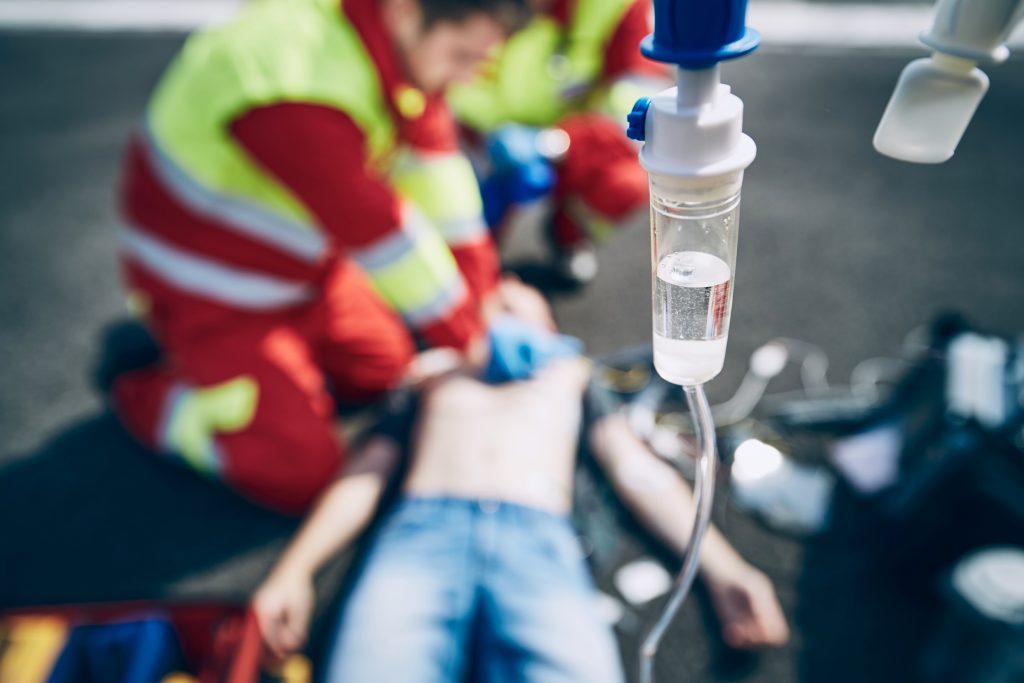
The highest level of prehospital care. Paramedics are highly trained clinicians who provide Advanced Life Support (ALS), performing critical interventions in medical, trauma, and cardiac emergencies. With advanced skills in patient assessment, invasive airway management, ECG interpretation, IV/IO access, medication administration, and life-saving procedures. Paramedics play a vital role across healthcare, with opportunities to apply their skills in high-acuity environments like emergency departments and specialized transport teams.
What You Will Learn:
- Endotracheal intubation & rapid sequence intubation (RSI)
- Cardiac monitoring & 12-lead EKG interpretation
- How to administer a full range of advanced medications
- Electrical therapy: pacing, cardioversion & defibrillation
- Managing critically ill & injured patients (adult & pediatric)
- Advanced clinical decision-making & scene leadership
- Much More
Explore Your Path with Paramedic
Step 1: Confirm Eligibility
- Must have current EMT or AEMT certification.
- Review KBEMS requirements for Paramedic (EMT-P) programs.
Step 2: Find & Enroll in Programs
- Search for accredited training programs.
- Consider aspects like Schedule, Cost, Instructors, and Program Duration
- Decision-Making Factors:
- Location & Schedule
- Tuition Cost
- Tuition Assistance (Pell Grant, Work Ready)
- Payment Plans
- Learning Methods (In-person vs. Online vs Hybrid)
- Course Duration and Course Offerings (Days per week/times)
- Lead Instructors
- Books/Platforms included or additional costs
- Pass Rates
- Student Reviews/testimonials
- Clarity of Program Expectations
- Cost vs Outcome
- Mentor Tip: “Moving to the paramedic level is demanding but rewarding. Ensure you are mentally and financially prepared.”
Step 3: Complete Training & Certification
- Complete coursework, clinical hours, and skills testing.
- Prepare for and pass the NREMT Paramedic exam.
Step 4: Apply for Licensure
- Complete the Paramedic certification process through KBEMS.
Step 5: Begin Your Career & Consider Advanced Practice Paramedic Level
- Gain experience and consider pursuing Advanced Practice certification.