Emergency Medical Responder (EMR)
EMRs are trained to deliver immediate life-saving care, including CPR, bleeding control, and basic injury stabilization. This role is a great introduction to the world of EMS, offering hands-on experience and the chance to assist EMTs and paramedics during emergencies. While some start their EMS journey as an EMR, many jump straight into EMT training to advance more quickly.
What You Will Learn:
- How to assess a patient’s condition & take vital signs
- How to manage basic airways & provide oxygen
- Techniques to control bleeding & care for wounds
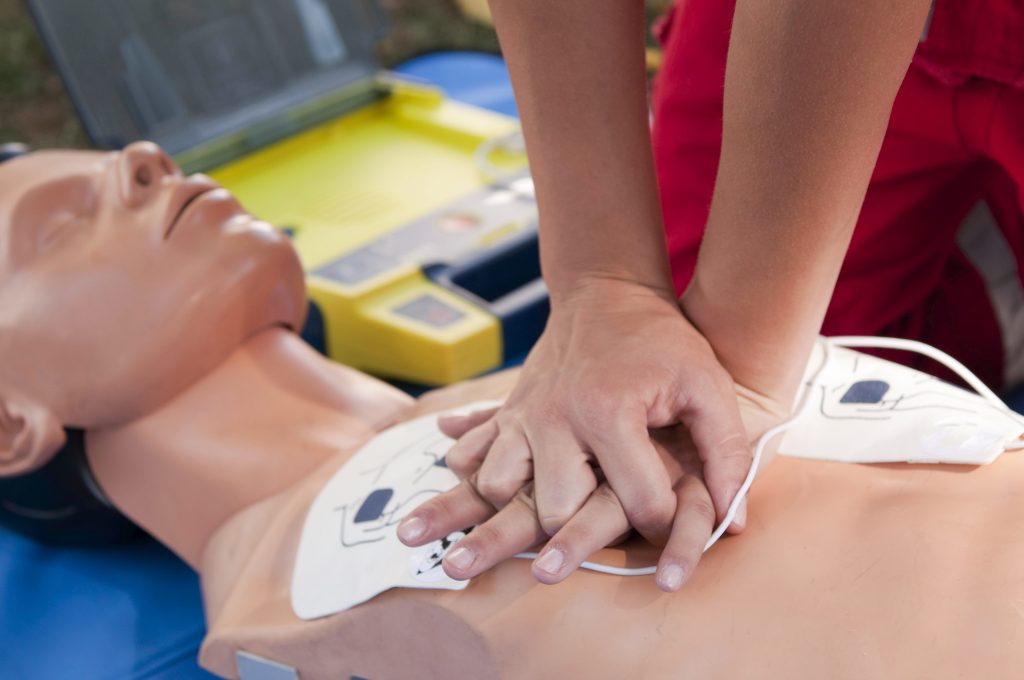
- The steps of CPR & using an AED
- How to assist in childbirth emergencies
- Stabilizing fractures & protecting the spine
- Much more!

Explore Your Path with EMR
Step 1: Research & Observation
- Locate local EMS services.
- Request a ride-along experience to gain insight.
- After ride time consider if you want to pursue EMR or go straight to EMT
- Mentor Tip: “Observe and ask questions! This will help you decide if this career is the right fit for you.”
Step 2: Check Requirements & Eligibility
- Review age, education, and Kentucky Board of EMS requirements or prerequisites
- Mentor Tip: “Double-check requirements before investing time and money”
Step 3: Find & Enroll in Training Programs
- Search for Training Facilities
- Decision-Making Factors:
- Location & Schedule
- Tuition Cost
- Tuition Assistance (Pell Grant, Work Ready)
- Payment Plans
- Learning Methods (In-person vs. Online vs Hybrid)
- Course Duration and Course Offerings (Days per week/times)
- Lead Instructors
- Books/Platforms included or additional costs
- Pass Rates
- Student Reviews/testimonials
- Clarity of Program Expectations
- Cost vs Outcome
- Mentor Tip: “Consider all factors before enrolling to ensure the best fit for your needs.”
Step 4: Complete Training & Certification
- Explanation of course completion requirements.
- Resources for NREMT exam preparation (Study guides, practice tests).
- Mentor Tip: “Prepare early and create a study schedule.”
Step 5: Apply for Licensure
- Guidance on the KBEMS application process.
- Checklist of documents required for application.
- Mentor Tip: “Submit applications promptly and keep copies of everything.”
Step 6: Begin Your Career & Next Steps
- Links to job resources and further certifications.
- If you are excited about EMR, find out the next step in your career with EMT certification.