EMSKY Spotlight
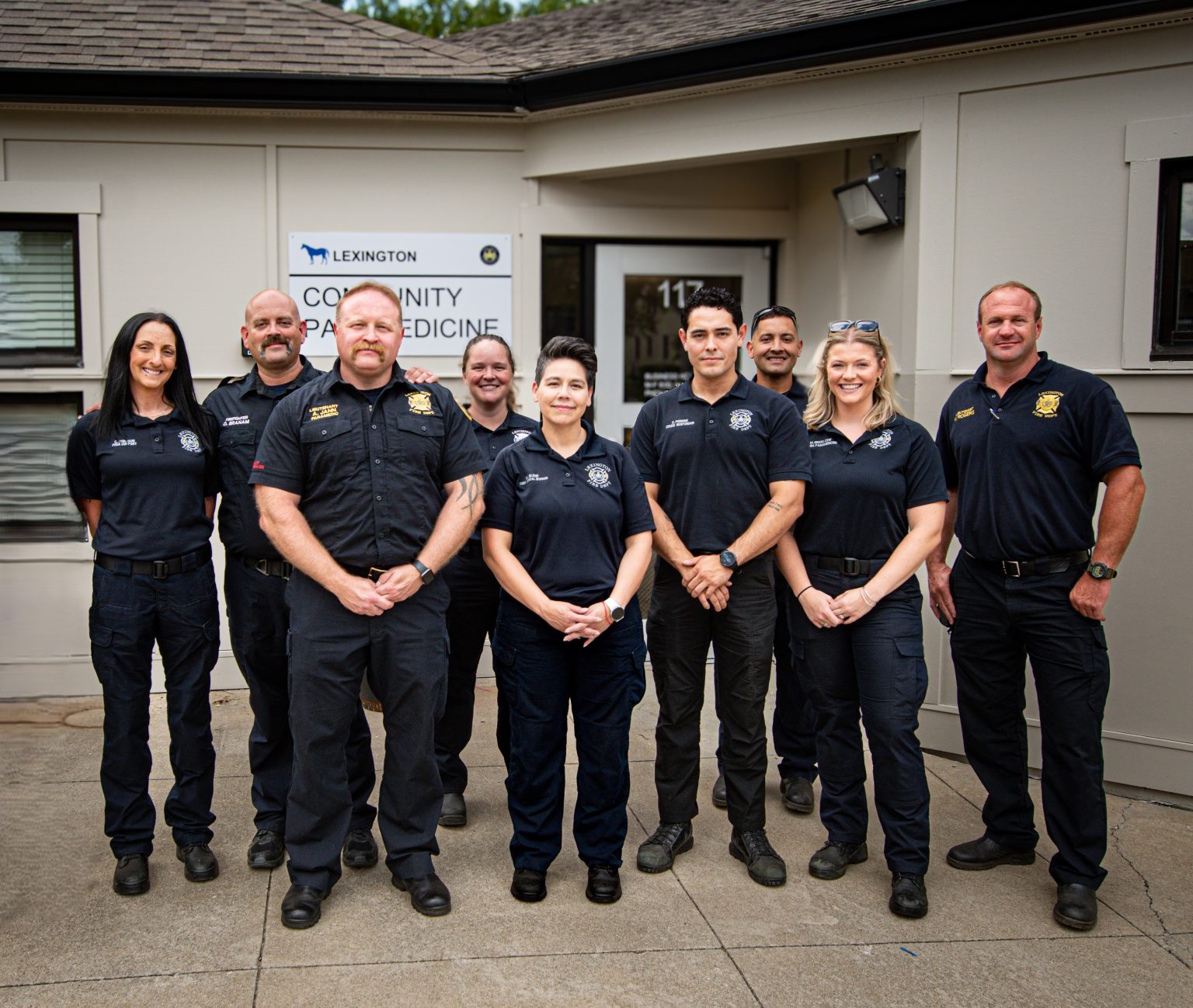
Lexington Fire Department Community Paramedicine Program
Meeting People Where They Are
For many EMS agencies, success has traditionally been measured by response times, clinical interventions, and the ability to rapidly respond when someone calls 911. While those responsibilities remain at the heart of emergency services, the Lexington Fire Department Community Paramedicine Program has expanded that vision by focusing on what happens before the emergency occurs, after the patient leaves the emergency department, and during the critical moments in between.
Operating within the Lexington Fire Department’s Community Risk Reduction Bureau, the program was established to address a growing reality facing communities across the nation: many individuals repeatedly access emergency services not because of a single medical emergency, but because of a complex combination of chronic illness, behavioral health challenges, substance use disorders, housing instability, transportation barriers, and limited access to healthcare resources. Traditional emergency response systems are exceptionally effective at managing acute crises, but many of the factors driving those crises require long-term solutions and coordinated support.
Recognizing this need, Lexington Fire Department developed a multidisciplinary Community Paramedicine model designed to move beyond episodic care and toward proactive, patient-centered intervention. Rather than responding to the same emergencies repeatedly, the program works to identify underlying causes, reduce barriers to care, connect individuals with appropriate resources, and improve overall quality of life. The result is a system focused not only on emergency response, but on prevention, stabilization, recovery, and long-term wellness.
Over time, the program has grown into one of Kentucky’s most comprehensive community-based EMS initiatives. Through the integration of Mobile Integrated Health, Quick Response Team, and Crisis Response Team services, Lexington has created a coordinated framework that brings together healthcare professionals, behavioral health specialists, recovery advocates, social service partners, law enforcement, and physician support to address the full spectrum of patient needs.
Today, the program serves as a powerful example of how EMS can evolve beyond its traditional role while remaining firmly rooted in its mission of serving the community. By addressing the social, behavioral, and medical factors that contribute to repeated emergencies, the Lexington Fire Department Community Paramedicine Program is helping build healthier individuals, stronger families, and a more resilient community throughout Fayette County and beyond.
A Truly Multidisciplinary Team
One of the program’s greatest strengths is its team-based approach. The Lexington Fire Department Community Paramedicine Program consists of 15 professionals representing multiple disciplines, including:
• Paramedics and EMTs
• Licensed Clinical Social Workers
• Behavioral Health Clinicians
• Licensed Professional Clinical Associates
• Peer Support Specialists
• Overdose Outreach Coordinators
• A Dedicated Lexington Police Department Officer
• A Volunteer Physician
This diverse team allows the program to address far more than medical concerns. Patients often face overlapping challenges involving chronic disease, mental health, substance use disorders, housing instability, transportation barriers, food insecurity, financial hardship, and healthcare access. Having professionals from multiple backgrounds working together allows the team to create solutions that address the whole person rather than a single issue.
Three Specialized Teams. One Shared Mission.
The Lexington Fire Department Community Paramedicine Program operates through three specialized teams that collaborate regularly to support patients throughout their healthcare journey.
Mobile Integrated Health (MIH)
The Mobile Integrated Health Team focuses on improving health outcomes and quality of life for individuals with complex medical, behavioral health, and social service needs. The team consists of both community paramedics and a licensed clinical social worker, allowing us to address not only a patient’s medical concerns but also the social and environmental factors that often contribute to repeated EMS utilization.
The MIH team works with individuals suffering from chronic illnesses such as congestive heart failure, COPD, diabetes, and hypertension, as well as older adults, veterans, individuals experiencing homelessness, high EMS utilizers, and those struggling to navigate the healthcare system. Many of the individuals we serve face multiple challenges simultaneously, requiring support that extends beyond traditional healthcare services.
Through home visits, comprehensive assessments, care coordination, and ongoing follow-up, the team helps patients manage their medical conditions while also addressing barriers such as transportation, housing instability, food insecurity, insurance challenges, access to healthcare, behavioral health needs, and social isolation. By identifying and addressing these underlying factors, the team works to prevent crises before they result in a 911 call, emergency department visit, or hospital admission.
The Mobile Integrated Health Team serves as a bridge between patients, healthcare providers, community resources, and support services. Through collaboration with healthcare systems, social service agencies, behavioral health providers, and community partners, the team helps ensure patients receive the right care, from the right provider, at the right time.
By combining medical expertise with social work services, the MIH team develops individualized care plans that improve patient outcomes, increase independence, reduce unnecessary emergency department visits and hospitalizations, and connect individuals with the resources they need to achieve long-term stability, improved health, and a better quality of life.
Quick Response Team (QRT)
The Quick Response Team serves as a bridge between overdose events and recovery services.
Following a non-fatal overdose, team members attempt outreach within 24 to 72 hours, a critical window when individuals and families may be most receptive to support. The team provides treatment referrals, recovery coaching, peer support, naloxone distribution, harm reduction education, family assistance, and connections to treatment programs.
Rather than viewing recovery as a single encounter, the QRT recognizes that trust and engagement often require multiple interactions over time. Their work focuses on building relationships that help individuals move toward long-term recovery.
Crisis Response Team (CRT)
The Crisis Response Team pairs a paramedic with a behavioral health professional to respond directly to mental health and behavioral health emergencies.
Dispatched through Lexington’s Enhanced 911 Center, the CRT responds to incidents involving suicidal ideation, psychological crises, and other behavioral health emergencies. Team members provide on-scene assessments, de-escalation, crisis intervention, safety planning, behavioral health evaluations, and transportation to appropriate treatment facilities when necessary.
By combining medical and behavioral health expertise during the response, the team helps reduce unnecessary emergency department utilization while connecting individuals to the most appropriate level of care.
Partnerships That Extend Beyond EMS
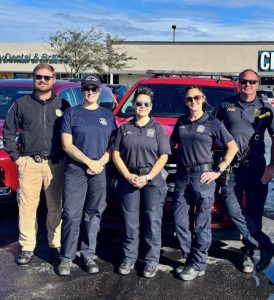
Community Paramedicine succeeds when agencies work together, and Lexington has built an extensive network of partners throughout the region.
The program collaborates with organizations including HealthFirst Bluegrass, UK HealthCare, Baptist Health, Saint Joseph Hospital, New Vista, The Ridge, Empath, Adult Protective Services, the Department of Veterans Affairs, Voices of Hope, homeless service providers, recovery organizations, and numerous healthcare systems.
These partnerships allow patients to access coordinated medical care, behavioral health services, housing assistance, recovery resources, transportation support, and social services through a single connected network of providers.
A Unique Public Safety Partnership
A particularly innovative aspect of the program is the inclusion of a dedicated Lexington Police Department officer.
The officer serves as a liaison between public safety, healthcare providers, behavioral health professionals, and social service agencies. This role helps coordinate care for individuals who frequently interact with multiple systems and often have complex needs that extend beyond traditional healthcare.
The officer also assists with Casey’s Law processes, resource coordination, family support, and interventions designed to prevent crises from escalating into emergencies or criminal justice involvement.
Physician Support in the Field
The program is further strengthened by a volunteer physician who works alongside team members several days each week.
The physician assists with medical oversight, complex case reviews, medication management, treatment planning, and care coordination. This direct involvement helps bridge the gap between emergency services and traditional healthcare systems while improving continuity of care for medically complex patients.
Having physician access readily available allows the team to address concerns in real time and often helps prevent unnecessary emergency department visits and hospital admissions.
Serving the Community’s Most Vulnerable Populations

The Lexington Fire Department Community Paramedicine Program serves a wide variety of patient populations, including:
• High EMS utilizers
• Patients with chronic medical conditions
• Recently discharged hospital patients
• Individuals experiencing behavioral health crises
• Individuals with substance use disorders
• Older adults with complex healthcare needs
• Veterans
• Unhoused populations
• Individuals facing barriers to healthcare access
• Residents from surrounding rural communities receiving services in Lexington
Many of these individuals face challenges that extend far beyond a single medical condition or emergency call. Chronic illness, mental health concerns, substance use disorders, housing instability, transportation limitations, social isolation, and financial hardships often intersect, creating barriers that make it difficult to access consistent care and maintain long-term health. As a result, these populations frequently cycle between emergency departments, EMS systems, healthcare providers, and community agencies without receiving the coordinated support necessary to address the root causes of their needs.
By focusing on vulnerable populations, the Lexington Fire Department Community Paramedicine Program helps bridge gaps that traditional healthcare and emergency response systems were never designed to address alone. Through proactive outreach, individualized care planning, and strong community partnerships, the program works to connect people with the resources, services, and support systems needed to achieve greater stability, improve health outcomes, and reduce reliance on emergency services. This commitment reflects a broader understanding that improving community health begins with reaching those who often face the greatest barriers to care and ensuring they do not fall through the cracks of the systems designed to help them.
From Referral to Long-Term Success

Patients enter the Community Paramedicine Program through a variety of referral pathways, reflecting the program’s role as a bridge between emergency services, healthcare systems, behavioral health providers, and community resources. Referrals may originate from EMS crews, fire personnel, hospitals, emergency departments, primary care providers, behavioral health agencies, Adult Protective Services, community organizations, dispatch personnel, family members, law enforcement partners, or through proactive internal data analysis that identifies individuals who may benefit from additional support before another crisis occurs.
While the referral source may vary, the goal remains the same: identify individuals whose needs extend beyond a single emergency response and connect them with the right resources before those needs escalate into a preventable emergency department visit, hospitalization, behavioral health crisis, overdose, or 911 call.
Once referred, patients undergo a comprehensive assessment that examines far more than their immediate medical condition. Community Paramedicine recognizes that health outcomes are often influenced by factors outside of traditional healthcare. Team members evaluate chronic medical conditions, medication adherence, behavioral health concerns, substance use disorders, housing stability, transportation access, food security, insurance coverage, social support systems, financial barriers, healthcare literacy, and other social determinants of health that may be impacting an individual’s overall well-being.
This broader assessment is critical because many of the individuals served by Community Paramedicine do not struggle with a lack of healthcare resources. Rather, they struggle with navigating those resources. A patient with congestive heart failure may continue calling 911 because they cannot get transportation to follow-up appointments. A patient with diabetes may repeatedly visit the emergency department because they cannot afford medications. An individual experiencing a behavioral health crisis may have access to treatment services but lack the support needed to remain engaged in care. Community Paramedicine seeks to identify these barriers and address the underlying causes rather than simply treating the resulting emergency.
Following assessment, the multidisciplinary team develops an individualized care plan centered around the patient’s goals, needs, and circumstances. Depending on the situation, interventions may include home visits, chronic disease management, medication reconciliation, healthcare navigation, physician consultation, behavioral health support, recovery coaching, overdose prevention services, transportation assistance, housing referrals, benefits enrollment, connection to food assistance programs, care coordination with healthcare providers, or linkage to community-based resources.
One of the greatest strengths of the program is its flexibility. Patients are not limited to a single service line or team. An individual initially identified through Mobile Integrated Health may later receive support from the Crisis Response Team. A patient engaged following an overdose may require behavioral health services, primary care coordination, housing assistance, and ongoing recovery support. By leveraging the expertise of multiple disciplines, the program is able to provide truly patient-centered care that adapts as needs change over time.
The duration of involvement is equally individualized. Some patients require only short-term assistance to overcome a specific barrier, while others benefit from months or even years of continued engagement. Success is not measured solely by the number of visits completed or referrals made. Success is measured by helping individuals achieve greater stability, improved health outcomes, stronger connections to community resources, increased independence, and reduced reliance on emergency services.
At its core, Community Paramedicine exists because many of the challenges facing vulnerable populations cannot be solved during a single ambulance transport or emergency department encounter. By building relationships, coordinating care, and addressing the factors that contribute to recurring emergencies, the Lexington Fire Department Community Paramedicine Program helps ensure patients receive the right care, from the right provider, at the right time, while improving quality of life for the individuals and families they serve.
Leading Innovation in Kentucky EMS
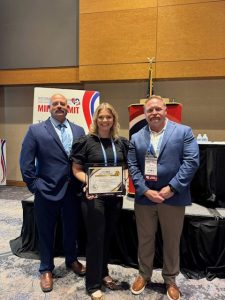
Beyond serving the residents of Fayette County, the Lexington Fire Department Community Paramedicine Program has helped demonstrate what is possible when EMS, healthcare, behavioral health, public safety, and community organizations work together toward a common goal. Their multidisciplinary approach continues to serve as an example of how Community Paramedicine programs can evolve to address the increasingly complex needs of today’s patients. Through innovation, collaboration, and patient-centered care, the program has earned recognition at both the state and national level and continues to highlight the expanding role of EMS beyond traditional emergency response.
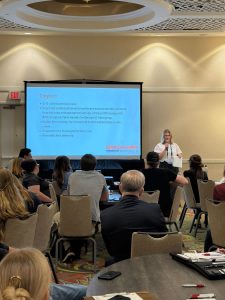
Making an Impact Across Lexington

The program has successfully connected hundreds of individuals to healthcare services, behavioral health treatment, recovery support programs, housing resources, and community services.
Beyond individual success stories, the Lexington Fire Department Community Paramedicine Program has become a recognized model for how EMS agencies can evolve to meet the changing needs of their communities. Through innovation, collaboration, and a commitment to addressing the root causes of emergencies, the team continues to improve lives while helping reduce reliance on emergency services.
EMSKY would like to thank the Lexington Fire Department Community Paramedicine Team for their commitment to compassionate, patient-centered care and for continuing to demonstrate the powerful role Community Paramedicine plays in shaping the future of EMS across Kentucky.