EMSKY Spotlight
Hopkinsville Fire & EMS
Building Kentucky’s Statewide Paramedic Pathway
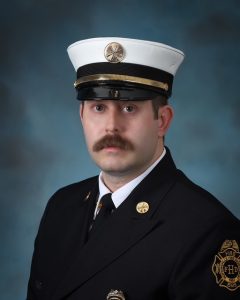
When workforce gaps threaten patient care, leaders either wait or build. Phillip Ferguson chose to build.
As Program Director of the Hopkinsville Paramedic Program, Ferguson turned a local staffing crisis into one of the most ambitious paramedic education expansions Kentucky has seen.
From Workforce Need to Statewide Model
Like many agencies nationwide, Hopkinsville struggled to staff ambulances with paramedics. When the Kentucky EMS Academy closed, the local pathway disappeared. Rather than accept the loss, Ferguson built a program from the ground up.
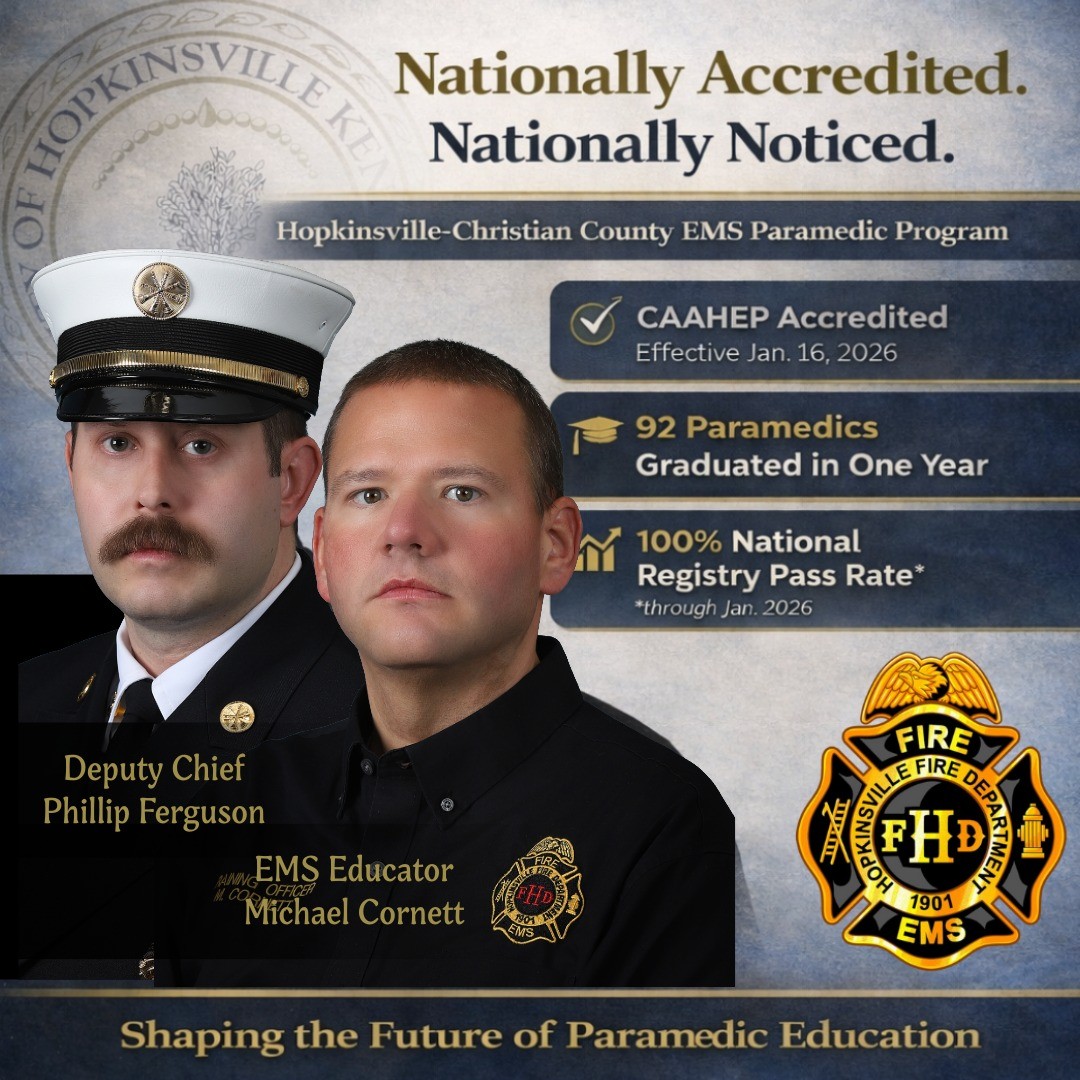
The first cohorts launched in 2021 and 2023, producing 58 new paramedics with a 100 percent pass rate and a 90 percent retention rate. The impact extended beyond Hopkinsville, as surrounding agencies in and around Christian County began benefiting from graduates who were prepared and ready to serve.
In 2024, Ferguson was asked to chair the KBEMS Workforce Development Workgroup. By 2025, that vision expanded into a statewide hybrid pilot enrolling 110 students through partnerships with 13 EMS agencies across the Commonwealth. What began as a staffing solution evolved into a scalable workforce strategy.
Outcomes That Matter Most
Pass rates and retention rates matter, but Ferguson measures success differently. Six to twelve months after licensure, he asks employers whether graduates were prepared on day one, whether they practiced with confidence, and whether they demonstrated dependability in the field. Those answers guide continuous improvement.
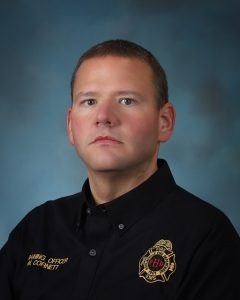
A major driver of these outcomes is Lead Instructor Michael Cornett, whose field experience, instructional clarity, and ability to challenge students while building confidence shape the culture of the program. The philosophy remains consistent. Meet students where they are. Maintain high standards. Provide structure. Demand accountability. Support growth without lowering expectations.
Accreditation as a Foundation
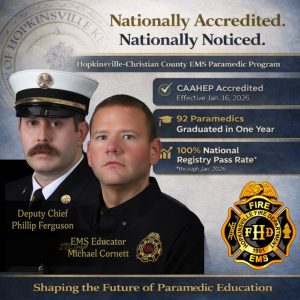
Ferguson describes the CoAEMSP accreditation process as demanding but necessary. Immersing himself in the process shifted his perspective. Accreditation protects the public, protects the student, and protects the integrity of the program. It ensures that high-quality education strengthens the entire EMS system.
His advice to aspiring program directors is direct. Attend the CoAEMSP Annual Accreditation Conference. Build relationships with other leaders. Collaboration shortens the learning curve and strengthens programs statewide. The work is rigorous, but it is achievable.
How the Statewide Hybrid Pilot Works
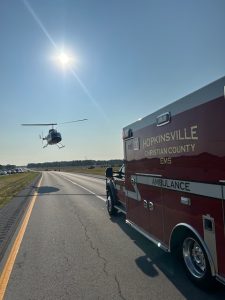
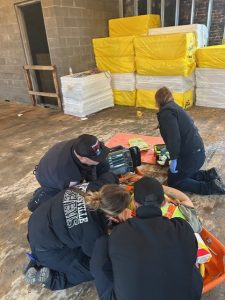
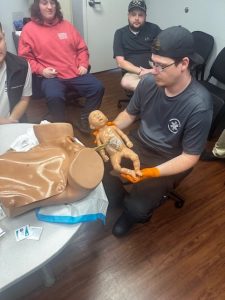
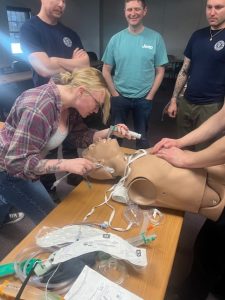
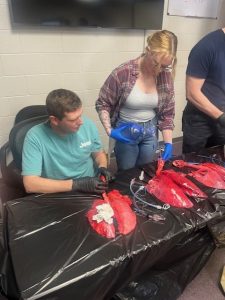
The hybrid model was intentionally designed for the working student, including those balancing full-time employment and family responsibilities. Classes are delivered live via video, with students able to attend in Hopkinsville, at designated partner sites, from home, or by viewing recorded sessions when necessary. Skills practice, evaluations, and high-stakes examinations occur at the student’s home site to ensure integrity and accountability.
The result places a fully accredited paramedic program within communities across Kentucky without requiring each agency to independently navigate accreditation. Education moves closer to the student. Standards remain consistent across every site.
Partnerships That Made It Possible
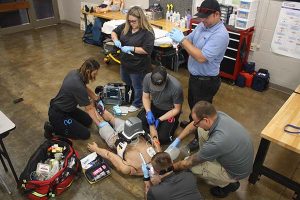
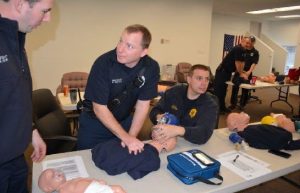
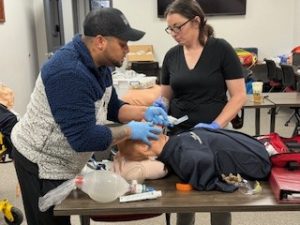
Alternate site EMS agencies are the backbone of this initiative. Their willingness to host students and invest in workforce development makes the model possible. Many have already committed to participating again in the upcoming cohort, demonstrating long-term commitment rather than short-term interest.
Hospitals and EMS agencies providing strong clinical and field internship experiences also play a critical role. Meaningful placements and engaged preceptors shape confidence, professional identity, and readiness for independent practice. These partnerships directly influence long-term success.
Looking Ahead
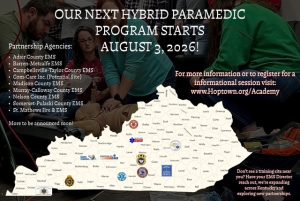
The 2026 cohort begins August 3, with enrollment opening March 11. New partner agencies are joining, expanding access to communities that previously lacked local paramedic education pathways. Ferguson and his team will also present this initiative at ACCREDITCON 2026 in New Orleans, encouraging programs nationwide to explore similar collaborative models.
EMSKY Closing Thought
Kentucky EMS does not have a motivation problem. It has an access problem. The desire to advance exists, and the willingness to serve at a higher level exists. Progress depends on whether leaders design systems that remove barriers and create opportunity.
Workforce solutions are not accidental. They are built with intention, supported through partnership, and sustained through accountability. When agencies choose collaboration over competition and action over delay, the entire Commonwealth benefits.
If you are an EMS leader, educator, or provider reading this, consider what barrier in your community needs a builder. EMSKY will continue to highlight the leaders who choose to build.